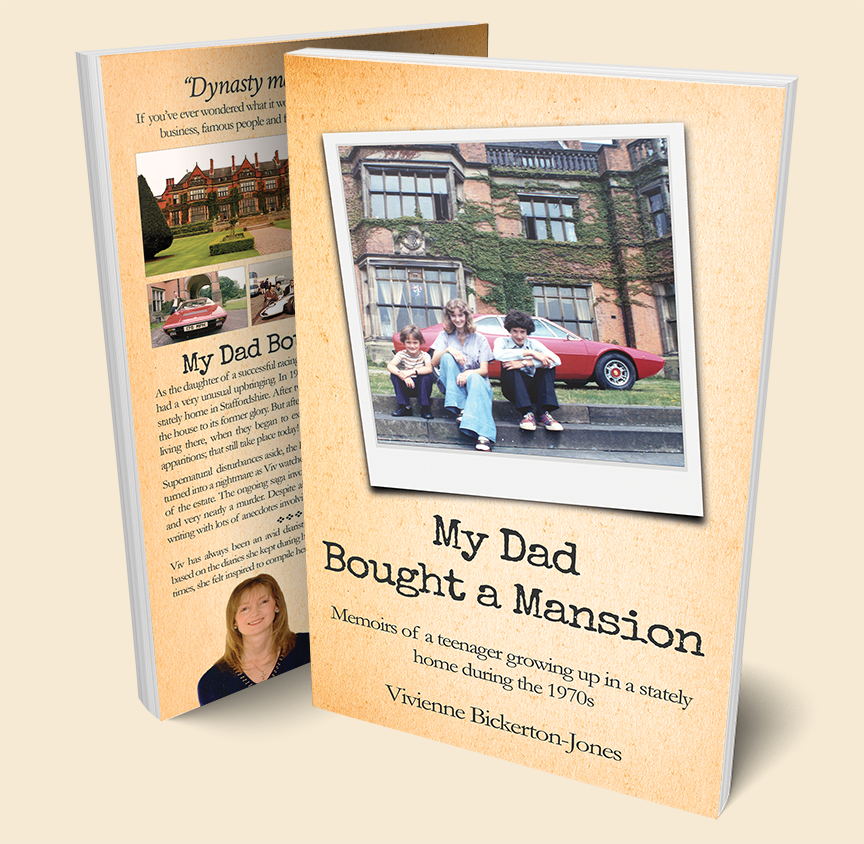
RAGS TO RICHES: My parents were married in Derby in July 1952. Mum was 19 and dad was 36 so quite a bit older. They both lived in Derby and were very arty; my dad went to the Derby Sketching Club in his free time and my mum attended art college. I’m not sure where they met but it was either at something art related or at a dance, as was usual in those days. My dad was a sculptor by trade; I think his interest was sparked by seeing all the beautiful alabaster in Italian churches during the war. After the war he set up his own business making alabaster lamps, bowls and candlesticks among other things (see header picture). He would go to the alabaster mines at Chellaston near Derby and bring back huge slabs which were then cut down to smaller sizes at his works in Crosby Street. He also owned a car as well as his own business so was quite the catch for my mum!
However, for someone from his background this was something of an achievement, having been born illegitimate into a working class family during the First World War. Even his birth is a story in itself as his mother worked at a nearby stately home as a servant and fell for the son of the house. My mum told me all about it years later – how they had fallen in love and were ‘walking out’ together even though it was forbidden in those days for the aristocracy to mix with the servants. However, the son caught TB and sadly died so my grandmother had to bring my dad up alone with help from her own parents without getting married (this is where my dad gets his double-barrel surname from). When my dad was about 4 years old my grandmother married a sailor and they had a little girl, my Aunty Dorothy. He told me how his grandparents brought him up but how poor they were and because of this they had to go to the market at the end of the day to get food and vegetables at give-a-way prices. This was 1920s Britain and many families lived like this. I always think how strange it was that he ended up in a stately home which is where he started life – almost as though it was meant to be!

During his years in the Second World War he sent all his wages back to his mother who saved them for him until he got home – this meant that he had enough money to set up his own business. First though he spent two years in a sanatorium recovering from TB, after losing half a lung. His long illness also caused him to break off his engagement to another lady as he didn’t think he would be able to support her. Eventually he got back on his feet and started making alabaster products. It seems that he attracted a lot of attention in Crosby Street after marrying my mum as they liked to put on parties for the local children and one little girl in particular, who lived next door to the works, was often taken on outings by my parents which sparked a lifelong interest for her in art and history. Her name is Wendy and my dad did a sculpture of her head and shoulders calling it ‘Schoolgirl with plaits’. For years it stood on show in the Library of the Hall until it was given to Wendy some years ago after my father died.

After the First World War the market places were full of tea chests with swords and guns from the Boer War and the First World War. My dad found all this stuff fascinating and started collecting it when he about 12 years old. It started a life-long interest in antiques, culminating in him owning the largest private collection of arms and armour in the country during the 1970s. This was why he wanted to buy a large country house so he could open it to the public and put all his antiques on display. Perhaps there was something about his background that inspired him, without him realising. He must have known about the stately home that his mother worked in as a young servant girl and the tragic death of his aristocratic father. His life was coming full circle as his dream home came on the market in 1969 and he was in a position to buy it. One way or another it seems that he was meant to live in a stately home!
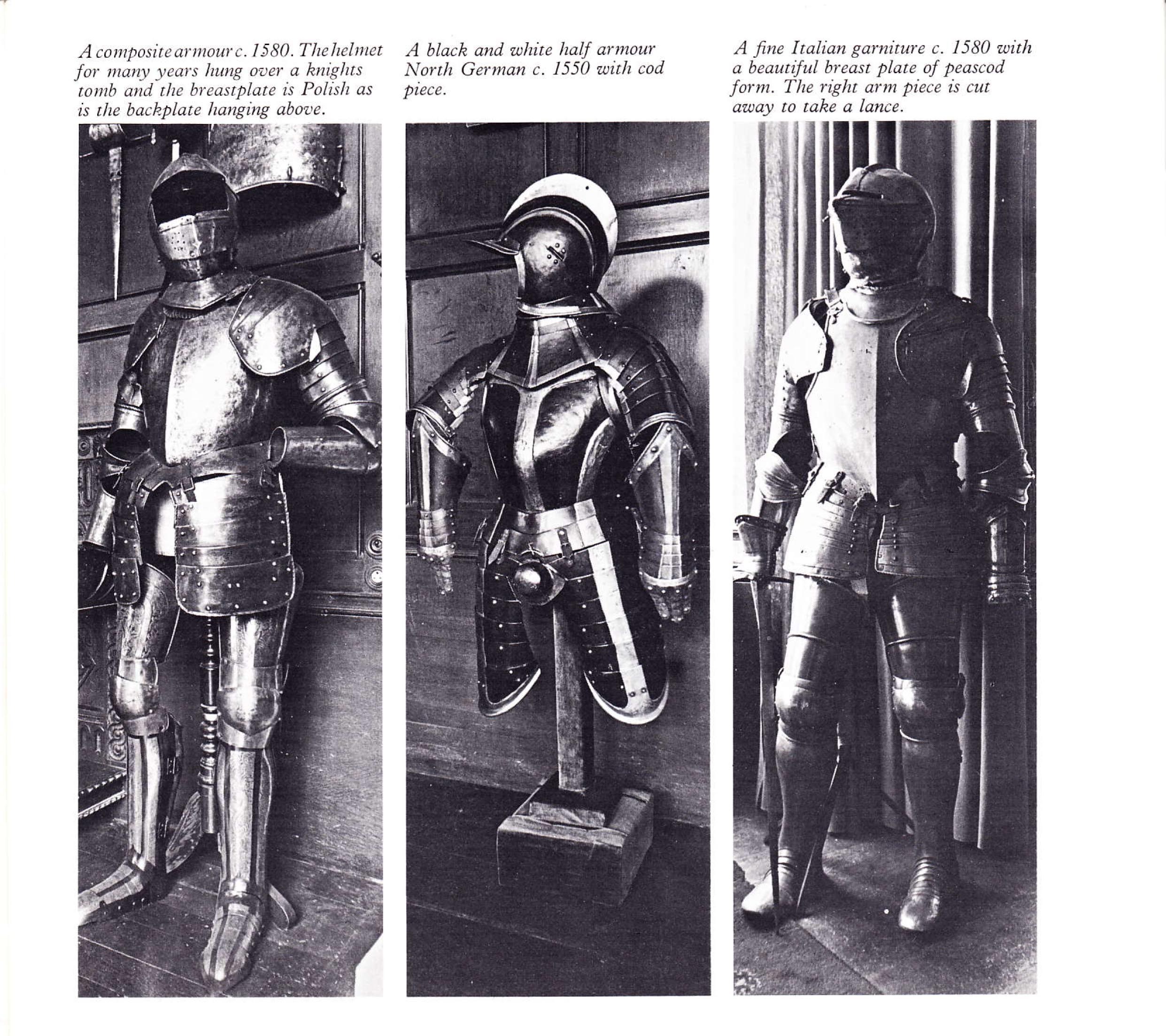
To us children though it didn’t seem like an unusual way to live. Our homes were always full of antique furniture and suits of armour so we didn’t think anything of it. My bedroom had a tiger skin rug on the floor and when a workman came to the house to check the electrics he wouldn’t go in my room – he was terrified of it! Well, it did have the tiger’s head on it too with its mouth wide open displaying a large set of fangs! In another room was a bearskin rug complete with head – we had no chance of getting the electrics fixed! Because of all the space we had a table tennis table in a spare bedroom and a pinball machine in another room that my dad had bought at a sale. This all seemed completely normal to us although in hindsight it was obviously anything but normal.
I think that my dad felt that he had ‘made it’ once we were at the Hall. It was the classic rags to riches story and he had worked hard all his life to make it happen, always being careful with his money and investing it in things he could sell in the future. However, my mum found living at the Hall difficult with a young family and never really wanted to move to such a remote place when we had previously enjoyed a small village community where she had plenty of friends her own age and local groups to get involved with. The only people living nearby were the verger and his wife, who lived across the road from the church and next door to the vicarage. Mum soon became friends with Marjorie, the verger’s wife, and as they had no children of their own they loved to have us over for tea. This was the one time we didn’t misbehave! But even they left after a few years to retire to Weston-super-Mare, although we kept in touch and often went to see them. On one trip there Tony Blackburn, the Radio One DJ, was doing a show and me and a crowd of other girls ran across the road to mob him and get his autograph – it was the highlight of our trip!
As the Mediaeval Banquets became ever more popular and successful, life at the Hall became more difficult for my parents. The dream home was becoming a nightmare as the banquets took their toll on the house and on my parents’ marriage. I was also growing up now and hated being stuck at home all the time – I vowed that if I had children I would never bring them up in such a remote place! The local pub, The Meynell, started having a disco every week which my friend and I went to but which my dad soon put a stop to when he saw the type of ‘long haired yobbos’ that went to it! I was furious. These were different times now and my dad, being so much older than me, couldn’t cope with it. He always dressed in a shirt, tie and waistcoat every day and hated the new look for men of jeans, tee-shirts and long hair! He certainly didn’t want them chasing his daughter. One such long haired suiter rode up the drive on his motor bike one day to see me (we’d been meeting at the disco) and my dad chased him away yelling and shouting at the top of his voice to ‘clear off’. Needless to say, that was the end of another relationship before it even got started!
However, I carried on serving at the banquets until I was well over 16 and had left school. By then I’d had enough and wanted to go out with my friends at the weekends although I did still help out with cleaning the house and laying the tables ready for the banquets on a Saturday night. During the holidays after leaving school my parents gave me a little project to do – painting the bedroom corridor ceiling! We had a little scaffold unit which I climbed onto every day and carefully painted all the intricate mouldings on the ceiling, highlighting the flowers in different colours. I thoroughly enjoyed doing this and felt I could launch myself onto the world as a female Michelangelo but it was not to be! Instead I went to the local college and did a secretarial course. Starting college completely changed my life – I also met a young boy there who introduced me to sex, drugs and Pink Floyd!
If this is your first visit to my blog site and you would like to read from the beginning of the story, please click here!
Don’t miss next’s week’s instalment: Hysterical Productions!
Subscribe now and please feel free to share with any friends that might be interested in my story!
Leave a comment Like Back to Top Seen 723 times Liked 1 times
Subscribe to Updates
If you enjoyed this, why not subscribe to free email updates and join over 354 subscribers today!
Subscribe to Story updates
Alternatively, you can subscribe via RSS 
All email subscriptions must be confirmed to comply with GDPR.
Related Posts
Viv Wilson | 30th September 1990 | Early Days

GARDENERS’ WORLD AT HOAR CROSS: In it’s heyday Hoar Cross Hall had around 28 people employed to keep the 20 acres of grounds tidy and weed free. In Victorian England the most common of all male servants was the gardener. At Hoar Cross the head gardener had numerous under-gardeners known affectionately as ‘digging slaves’! They were responsible for producing fruit, vegetables and growing luxury items in and out of season, much of it under glass. Adjacent to the house was the carp pool and greenhouse area along with a palm house; next to these was a walled kitchen garden. This supplied the house with all its fruit, vegetables and herbs. The palm house produced palms and pot plants along with flowers for the house; these would be brought across to decorate the main rooms when an important function was on. The ‘bothy’ house was in one corner of the kitchen garden. (A bothy is a simple dwelling on an estate, usually used for gardeners and other workmen). Here lived the ‘bothy boys’ who were young under-gardeners. Their job was simply to sweep the pathways all day and keep the leaves at bay! There were two elderly chaps, Mr Knight and Mr Dukes, who were solely responsible for the south garden – however, their task was complicated by the fact that they couldn’t get on with one another! Grass was cut by a horse drawn mower, a task carried out by the chauffeur of all people! We heard that back in the early days the head gardener was pushed around in a wheelchair when he was older inspecting the lawns – apparently if he saw a weed amongst the grass blades he would tell one of the gardeners to pluck it out straightaway! Emily Meynell Ingram employed a Mr Rowley especially to carry out her plans of planting the yew hedges, of which there were many. At each side of the garden was a yew tree walk which ran down to the ha-ha wall at the bottom. Across the bottom of the gardens were smaller square gardens (including the stepping stone pond) all bordered by yew hedges. These hedges were all trimmed into spectacular shapes and must have been a full time job for Mr Rowley! (See header picture of Mr Rowley with Frederick Meynell in the kitchen garden). The estate also had its own farm called Home Farm. This supplied the house and staff with all the produce that they needed. The carp pool provided fish and the regular pheasant shoots provided game for the table. All very self sufficient! In addition to the farm workers and gardeners were all sorts of other workers on the estate: a stone mason, brick makers, foresters and thatchers, carpenters, a joiner, plumber and an electrician. They looked after the maintenance of the house and workers’ cottages, and the tenanted properties. If the butler was an important figure inside the house, the head gardener had much authority outside. Even the mistress from the house was unable to enter the nursery garden without his permission, and to help herself to his produce would have been unthinkable. Only the head gardener had the key and the door was always kept locked outside working hours! Around Christmas time, all the local trades’ people who supplied the house, were invited to a party held for them in the Long Gallery. They were restricted to this area only whenever there was a party or Servants Ball – couldn’t have the servants peeking into the family’s private rooms, even though they must have been curious to see them! Other outdoor staff included the chauffeur who had been employed for many years by the Meynell family. They had owned a motor car since the very early years of the century and many more cars were owned subsequently. Mrs Ellen Fisher, widow of the then chauffeur, Albert, recalled how a Maudsley was delivered just after the First World War. This would have cost around £200, nearly four times the annual wage of the housekeeper and 20 times the annual wage of the housemaid! D...
Viv Wilson | 07th October 1988 | early days
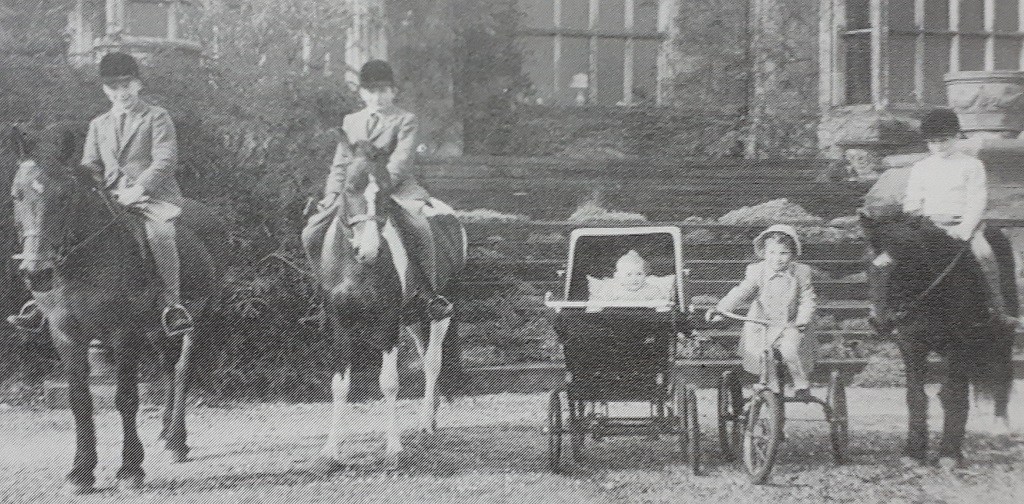
THE WAR YEARS AND BEYOND: During the Second World War, life in country houses changed dramatically. It was no different at Hoar Cross. The borders on the main lawns were turfed over to reduce maintenance and vegetables were grown in areas formerly restricted to flowers. Evacuees from Birmingham came to stay for the duration of the war and they lived in the basement, as it was considered to be the safest place. I imagine that they must have been in the care of the servants as they were living amongst them but it must also have been quite exciting for them to move from a bombed out city to the relative safety of the countryside, although they must have missed their parents of course. Many children in those days never left the cities and towns where they lived and often didn’t know what a cow looked like in real life! To see all the lawns and woods at the Hall must have been incredible for them although I’m not sure if they were allowed to wander around the grounds. Two of these youngsters returned to the Hall in the mid-1980s and spoke to my mum about the kindness they received from the family. They also told her about the ‘secret airfield’ hidden away in a copse behind the ha-ha wall. Apparently aircraft were kept here in readiness for action, it being a Satellite Landing Ground (SLG) site serving Fradley aerodrome, near Lichfield. The Hall was also offered as an Auxiliary Red Cross Hospital during the war but nothing came of this, probably owing to the lack of mains water. However, during the First World War, the Meynell home in London was offered to the War Office and the Red Cross and became a Military Hospital for officers, being used by Francis Meynell himself who was wounded in action. One feature at the Hall was the daily barometric readings; these had been taken since 1880 up until the Second World War, when readings ceased. The Clerk of Works at Hoar Cross, namely one F W Lycett, had kept a meticulous Meteorological Register in the early years of the century. He kept them in two large leather-bound volumes, the last entry being in February 1941. Once the war was over things got back to some sort of ‘normality’; however, times had changed and women were no longer satisfied with being in domestic service. The attics, which were once full of servant girls, were now empty and by 1950 the number of servants had fallen to just three or four with a few men working in the gardens. Over the next twenty years the beautiful gardens gradually fell into a state of decay, which is how we found them when we moved there in 1970. By now much of the Meynell estate lands had been disposed of. Local properties were sold to tenants and others. The Hoar Cross estate, once the pivot of the local community and a source of employment, was being considerably reduced. Colonel Meynell, who had been seriously wounded in the Second World War, was suffering from his disability and it must have been difficult for him living in such a large house. Therefore, in 1952 the family bought a smaller house in nearby Newborough called Hollybush Park. I remember Mrs Meynell telling us a funny story about how her husband had come home one day and told her he had bought another house. He was raving on about the ‘hard tennis courts, so much better than our grass ones’. When they eventually moved into their new home, Mrs Meynell also told us how the servants were so excited to have a smaller house to clean! How times have changed! The Hall and contents were put up for sale after the family left in 1952 but the house failed to sell so they rented it out to a Dr Gillies and his wife, Maimi. He was a highly regarded consultant at the local Burton General Hospital and it seems they lived in some style at the Hall. They employed six staff including a Housekeeper, who lived at the Lodge. Two of the floors were sumptuously furnished along with expensive paintings on the walls. The ...
Viv Wilson | 18th September 1985 | Early Days

THE KITCHEN MAID’S STORY: If you were young, free and single – oh, and very well-to-do – the 1920s were the decade to be a part of. The upper classes had lots of time on their hands and enjoyed post-First World War delights such as the theatre and jazz clubs. Not so for the lower classes, in particular a young girl who was to become the kitchen maid at Hoar Cross Hall in the 1920s. The depression after the First World War brought stark poverty to her home and many like her. Her name was Jean Rennie, and she was extremely intelligent having won a scholarship to Glasgow University to study French and music. However, the £5 bursary she got was taken by her father and used to buy whiskey in his local pub. Her hopes of a career in music were dashed and she needed to find employment. Jean was now known as Jenny and had many jobs as a servant, including one in a castle in the Highlands! She was, in her own words, a good housemaid but never a good servant. With memories of hungry children fresh in her mind she could never get used to the wanton waste of food left on plates. Her mistresses were always untidy with stockings, shoes and underwear “flung everywhere” and powder “spilt lavishly” – this always rankled with her and she never really got used to the ways of the aristocracy. She gradually travelled down the country and eventually found a job in London. Although she was still a scullery maid, she worked under a skilled chef who taught her much and she hoped for a career as a cook. Her employers were good and so were the wages. When she got the job at the Hall she could not only read a menu (in customary French) but also write one and prepare many of the dishes herself. Lady Dorothy Meynell was very impressed with her and as her husband, Hugo Meynell was about to take a small shooting party to their Laughton estate, she asked Jenny to go with them to do the cooking. Jenny recalled how thrilled she was to ride alongside the chauffeur in the family Rolls-Royce. As ducks were early risers Jenny had to start cooking at around 3am to get breakfast ready for 4am before shooting began. Colonel Meynell appeared pleased with her efforts and she was rewarded with £1 on her 21st birthday – a lot of money in those days! On her return to the Hall she found that a new temporary cook had started. For the next four months her days were dominated by nagging and persecution, aided and abetted by the butler who joined in the game of baiting her. Cooks like this were typical of her kind – ‘trained with the whip’ – and Jenny found the working conditions difficult. However, leaving wasn’t easy as she lived at the Hall, all her belongings were there, her mother and sisters were all living and working a long way off and she also sent money home to her grandparents. She was also determined not to be beaten by the cook. During ‘the season’ most of the staff went to the family’s London house. For those of you who don’t know what ‘the season’ is, it was a time between January and June which coincided with the opening of Parliament. The aristocracy went to their London mansions and were involved with lots of social events which politicians also attended – a form of 19th century networking. Daughters of marriageable age were introduced to society and presented to the monarch of the day as debutantes. They would be taken to a flurry of parties to meet eligible young men in the hope that they would make a good marriage. For the servants it must have been quite exciting being in the big city and seeing all the sights and one of the benefits was that on their half day they would be allowed out until 10pm instead of 9.30pm! Once the season was over and Jenny returned to the Hall she was busy in the kitchen straightaway. She tells how there were visitors arriving and her statement below shows the implications for the staff of a large country house:- “I do...
Viv Wilson | 10th September 1985 | Early Days
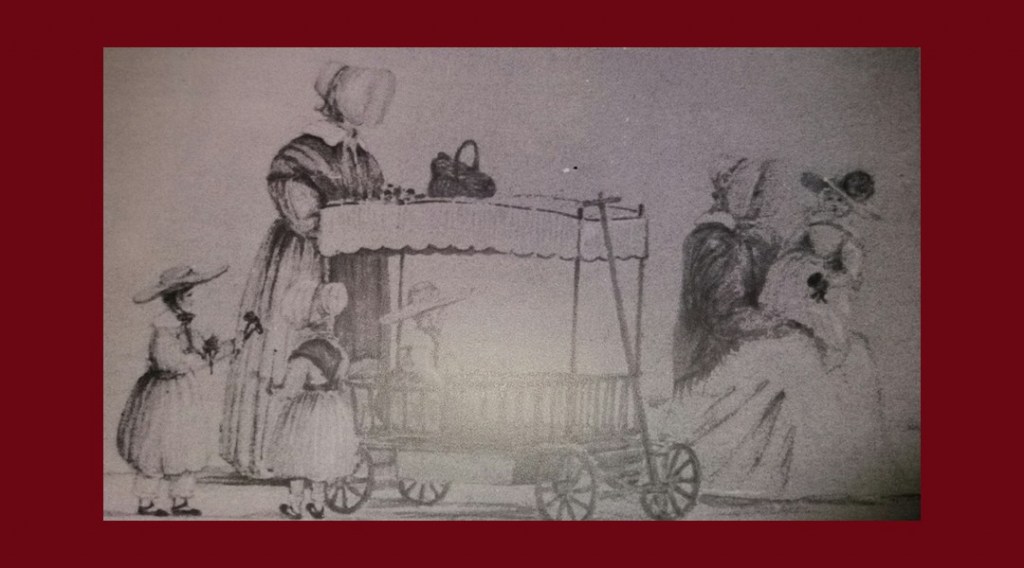
THE SCHOOLROOM MAID’S STORY: For the first 75 years of the Hall’s history about 50 servants were employed by the Meynell family in the house and grounds. Among these was a young girl of fifteen who started work in 1920 as a Schoolroom Maid. Her name was Miss Inez Sophia Large and she had connections to Hoar Cross through her grand-parents, William and Mary Tooth, who lived in the village where William was the blacksmith; his smithy was just along from the Meynell public house. He had worked on the ironwork of the Hall during its construction in the 1860s. Inez’s aunt, Constance Madeley, was the wife of the landlord at the Buffalo Inn, in nearby Newborough, and it was through her that she secured the job at the Hall. Inez’s parents were themselves in service; her mother had been a lady’s maid and her father was a butler for the Spanish Ambassador in London – from which source Inez assumes her Christian name originated. There was little choice but to go into service in those days (her sister, Beatrice, was also a nursery maid with the Earl and Countess of Lichfield), and she was engaged on a salary of £18 per annum. Her mother made her uniform, which comprised of a morning dress and an afternoon dress, and Lady Dorothy Meynell supplied her cap. She was the personal maid to Lady Dorothy’s eldest daughter, Dorothy, who was just four years younger than Inez. She also looked after Dorothy’s younger sister, Rachael. The schoolroom at this time was situated just off the main Entrance Hall, and immediately below the nursery. Inez worked under the supervision of Mrs Catt, the housekeeper, Miss Rhodes, the lady’s maid, and the head housemaid, Rose. Her day began at 6am every day and she was so afraid of oversleeping that she kept an alarm clock under her pillow! The first job of the day was always to clean the grate and get the fires lit, then sweep and dust the schoolroom, lay the table for breakfast, call the governess, Miss Chromy, with morning tea, then to attend Miss Dorothy, and carry up breakfast, later to clear up and wash up in the still-room. She was absolutely terrified of breaking a cup, or indeed, any crockery, as they would have to pay for it out of their wages. This would really get her down sometimes and it led to her being really nervous all the time. Once these jobs were done she went on to clean the workroom and the bedrooms of the governess and Miss Dorothy. All these chores were done before 9am as by then she had to be in a clean cap and apron and in attendance at the chapel ready for morning prayers. All the family and staff had to attend although it was only prayers spoken by Colonel Meynell – no singing or music. By mid-day she had again changed her outfit to an afternoon dress and made her way to the workroom to assist the lady’s maid in mending, sewing and general repairs to Miss Dorothy’s wardrobe. It seems to me that people were forever changing their clothes in those days! For the servants their morning dress was plain and serviceable covered with a large apron, for doing all the chores around the house. Their afternoon dress was still plain but usually black and trimmed with a lace collar and cuffs. The apron would have been smaller and possibly lacy; this was because they might be serving guests who usually called for afternoon tea. The evenings were spent attending to Miss Dorothy and putting her to bed by 8.30pm. She then had to serve dinner to the governess. Even Sunday wasn’t exactly a day of rest for the poor servant. She had to attend Miss Dorothy and get her dressed for church by 10.30am. Then she had to get herself ready and join the rest of the staff at church. After lunch she helped Miss Dorothy change her dress again for the afternoon. Most servants had one Sunday in four off – however, it wasn’t even a whole day off! As they had to attend church their time off started at 2.30pm until 10.30pm and...
Viv Wilson | 29th October 2025 | Growing Up In a Stately Home
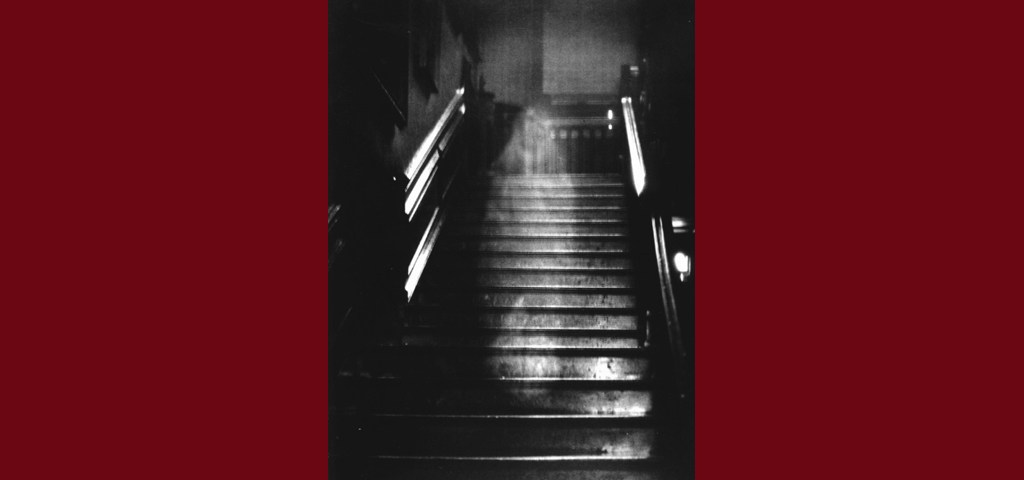
Going to sleep in a big old house is quite scary when you’re young but going to sleep in a big old house that’s haunted is even more scary!! As we approach Hallowe'en my mind has gone back to that first winter at Hoar Cross Hall and all the scary things that happened - and that was without any trick or treaters in those days! We quickly realised that we weren’t the only inhabitants of the house when we moved there in the 1970s. Every time there was a windy night I could hear a window banging in the attic – all night long it kept me awake. The next day I would go upstairs to the attics to close it but there would be no windows open or even loose. They were all tightly shut as they had been for the previous 20 years, when the house had stood empty. I remember standing there in the attic rooms feeling a tingling down my spine and goose bumps all over as I felt the atmosphere closing in on me - and I quickly legged it back downstairs! On other nights we would hear people walking along the attic corridor (the attic, by the way, was the floor right above our bedroom floor) and then at other times we could hear heavy furniture being dragged about – yet there was nothing up there as the rooms were all empty! How strange! Other members of the family heard it too and also people that stayed overnight, so it wasn’t the imaginings of a frightened child. There was also nobody else in the house at that point, apart from our family and they definitely weren’t walking about the house at 3am. And why is it that these things always happen in the middle of the night? When it’s dark. When we feel most scared? I often woke up at 3am whether there were noises or not – or perhaps there had been a noise and that’s what had woken me up – who knows? I also loved reading books about old houses, mysteries and ghosts but when you actually live in one in real life, it’s a bit different! The spooky attic The first few years at Hoar Cross Hall were the worst ones for spiritual activity - maybe we'd disturbed the ghosts who were used to an empty house and not one with children running about everywhere! Our family consisted of my mother, father and two younger brothers; my parents being members of the Historical Society were keen to buy a house to show my dad's huge arms and armour collection along with many antiques. But we hadn't bargained with the house being haunted! My mum was often woken up by the sight of a little girl ‘floating’ over the bed. She said the girl was wearing a long nightdress and mop cap and seemed to be stretching her arms out to my mum as if she was asking for help. She floated all around the bed scaring my mum half to death. Frantically she tried to wake my dad while the ghoulish girl reached out - by the time my dad was awake the child was fading away and he missed it all! If you haven’t already worked it out, long nighties and mop caps were the ‘go to’ fashion trend back in the Victorian days! She saw her a few times on the staircase too just standing in the corridor before fading away. This made me terrified to go upstairs to bed on my own and once inside my room I would lock the doors and burrow down under the blankets so I wouldn't see or hear anything - quite forgetting that ghosts can walk through walls! The haunted bedroom corridor When I got older it was great to have parties in the attics as we could play our rock music really loud and no-one would hear it! My dad had made the west wing of the house (the old Victorian nurseries) into an apartment which we rented out and it was here that my 18th birthday was celebrated as we had become friends with the people that lived there. As everyone had heard about the ghost stories at the Hall, we made an ouija board and tried to contact the spirits. Most people had had a few spirits of a different kind by then and we sat around the table watching the glass move aroun...
Viv Wilson | 24th September 2025 | Growing Up In a Stately Home
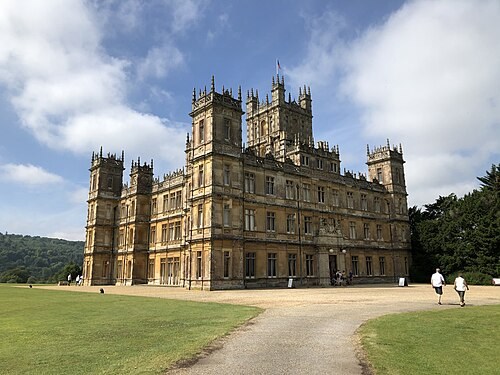
With the new Downton Abbey film out this month I thought I would do a comparison of the two family homes, Downton and Hoar Cross Hall, the latter being my old family home for those of you who are new to these blogs. Although Downton Abbey is fictional, the house on which it is based is not, it being Highclere Castle in Hampshire which was built in 1679 and is owned by the Earl of Carnarvon. Hoar Cross Hall was the original home of the Meynell Ingram family who first came from Leicestershire and was built in 1863. Hugo Meynell of Quorndon was the High Sheriff of Staffordshire and Member of Parliament for Lichfield and the family owned considerable property in Staffordshire, Shropshire and Derbyshire. He bought the Hoar Cross estate in 1793 and built a hunting lodge there known as Old Hall and founded the Meynell Hunt. It seemed the family lived here for many years until Hugo’s grandson, also Hugo, got married in 1863 and decided to build the present Hall for him and his wife, Emily Charlotte. The house took nine years to build and was eventually finished in 1871. Hugo and Emily had already moved in, but their new life together was soon to be cut short by a tragic accident. Fourteen months earlier at Birch Wood on their estate Hugo had a horse riding accident and had been bed-ridden ever since – he died in May of that year. They had no children and Emily built The Church of the Holy Angels in the grounds of the hall in memory of her husband. This is the church that I got married in over a hundred years later. On Hugo’s death Emily inherited the family's many large estates and they say she was a double millionairess – which in those days was a huge amount of money! Emily Charlotte The original site of Highclere Castle was recorded in the Doomsday Book of 1086 when an Anglo-Saxon king granted the estate to the Bishops of Winchester and in the 14th century a palace was built there by the Bishop. However, it was confiscated during the Reformation by Henry VIII. Later it was rebuilt in 1679 by Sir Robert Sawyer, Attorney-General to Charles II and looks to have stayed in his family ever since. The Downton Abbey story seems to be very similar to the Highclere Castle one actually! In the early part of the 20th century Downton is owned by the Earl of Grantham who marries an American heiress to save the family home. At about the same time Highclere was owned by the Earl of Carnarvon who also married the heiress to the Rothschild fortune and received a very large dowry. (In case you're wondering, a dowry is a sum of money or property given by the bride's family to the groom's family upon their marriage, and has historically been practiced by various cultures over the years). During the First World War, Highclere opened the house up as a hospital with the then Lady Carnarvon assisting as a nurse. In the Downton story Lord Grantham opens up the house to be used as a hospital for injured officers and some of the family assist in nursing them back to health. The Meynell family at Hoar Cross Hall also offered their home to be used as a hospital but were told that it was unsuitable owing to its isolation and inaccessibility in the country. However, Lady Mary Meynell opened her London home in Lennox Gardens to be used as a Military Hospital for officers during the First World War. Indeed, her own son, Francis, stayed there for a while recovering from severe wounds to the back in 1917, something which he never really recovered from resulting in his early death in 1941 at the age of 52. Hoar Cross Hall was too remote Although these aristocratic families seemed to live very charmed lives (and a lot of them did!) they also ran their estates to provide food and farm the land. This also gave local people much needed employment although being a domestic servant in those days could be quite hard with long hours and not much down time. However, they were families like the rest of us with the...
Viv Wilson | 19th August 2025 | Growing Up In a Stately Home
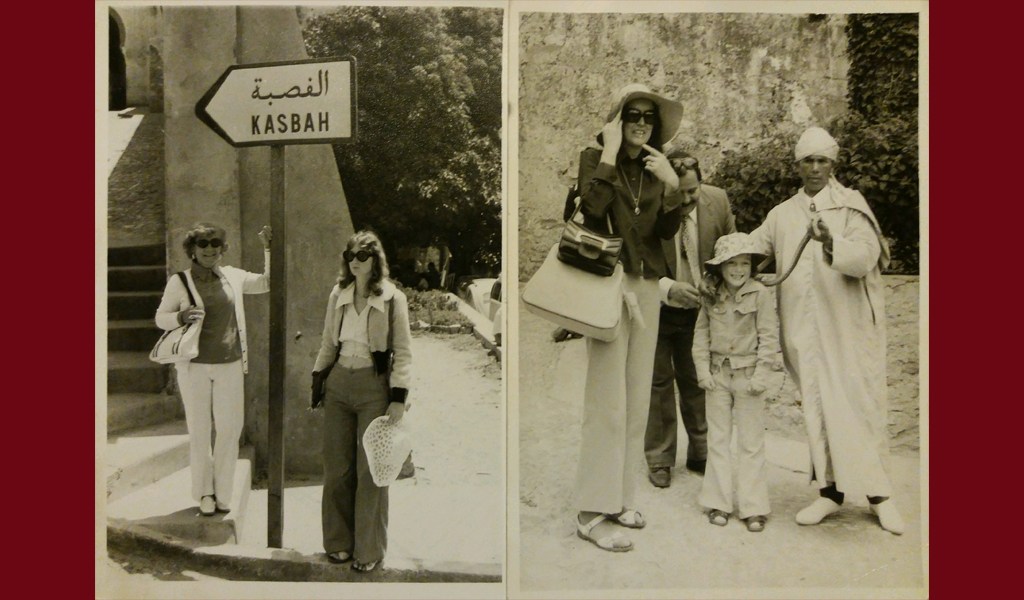
When Hugo and Emily Meynell built Hoar Cross Hall it included a whole estate with it, namely kitchen gardens, greenhouses, stables, a farm and cottages. This was quite common in those days as the estate supported the house with food etc and also gave employment to local people. Old Hall (their original home) was also on the estate and was accessed via a private road, which ran from the main road. By the time the 1970s came along the stable block and Old Hall were private houses and another part of Old Hall had been made into a children’s home. Emily Meynell had started this home in the Victorian days, calling it ‘The Home of the Good Shepherd’ but it was for boys only at that time. When we were there it was a mixed home and run by a husband and wife couple. They used to have fetes there in the summer and we would sometimes go round to play with the children, as they had lots of climbing frames and slides. The private road also joined up to our woods near the driveway and this is the road I walked along every day, up to the main road, to catch the bus to school in nearby Uttoxeter. It was about half a mile but I hated walking through the woods, especially in the winter when the mornings were darker. One day, whilst walking round Uttoxeter at lunchtime, I saw a newspaper board telling everyone about a streaker that had run through the town the day before – what was this? A man running naked for the fun of it? On further investigation I found that this was the latest craze from America – but why anyone would want to do it in our cold country was beyond me! Streaking comes to Britain! I was not an academic by any means and hated my schooldays. I was constantly being teased for being too thin, too quiet or for living in a stately home. (This was from the teachers too!) so when it was time for 'skools out for summer' I was more than ready to leave! By now the Mediaeval Banquets, which my parents ran in the house, were proving a huge success and as package holidays were becoming very popular my parents decided to book a two week holiday abroad. My dad had always wanted to go to Greece to see all the temples but was a bit disappointed when he got there. Most of the temples were in ruins and once you’ve seen one ruin you’ve pretty much seen them all! The Acropolis was quite impressive though. I loved being abroad – the weather was so hot and the sea was always warm. Cold climes don’t suit me as I feel the cold so much so I would always be outdoors as soon as the sun was out - most of my summer holidays were spent in the gardens weeding whilst listening to Radio 1 on my little portable radio, although usually I dreaded the school holidays as it meant I was stuck at home for six weeks, rarely seeing my friends. Ticket to the bullfight Because of the success of the banquets it meant we could go abroad every year and other holidays included trips to Majorca, Portugal and Spain. I remember in Majorca going on a lovely train ride through orange groves and gardens to the Caves of Drach – the scenery was stunning with mountains watching over us from their great height. In Portugal we went to see a bull fight which I found both thrilling and frightening all at once. The matadors came so close to the bull but I hated that they had to stab them first to make them angry – it seemed so cruel. In Spain we went to a club one night to see some flamenco dancing and they pulled me up onto the stage to join in which was fun, if unexpected! We also went on a day trip to Morocco and walked around the Kasbah, which was the local market (see header picture). I remember hoards of children following us around trying to sell us things. My dad noticed one of the stallholders smiling at me and said for a joke “You can have her for two camels”. Well, the man never left our side after that – he took it very seriously and followed us all round the market trying to n...
Viv Wilson | 25th June 2025 | Growing Up In a Stately Home

With the summer season well and truly upon us and Wimbledon almost here, I thought a blog about tennis might be in order! The game of tennis first started in the Mediaeval days and involved hitting a ball with a bare hand and later with a glove. By the 16th century the glove had become a racquet and the game had moved to an enclosed playing area and the rules had stabilized. This was known as ‘real tennis’. The word tennis came into use in English in the mid-14th century from French, via the Anglo-Norman term Tenez, which can be translated as 'hold', 'receive' or 'take', a call from the server to his opponent indicating that he is about to serve. It seems that royalty and the upper classes played tennis a lot, with Henry VIII making the biggest impact as a young monarch, playing the game with gusto at Hampton Court! However, the game was actually invented in Birmingham (England) and is the direct descendant of what is now denoted ‘real tennis’ or ‘royal tennis’ and continues to be played today with more complex rules. Many original courts still remain at Oxford, Cambridge, Falkland Palace in Fife, Scotland and Hampton Court Palace. Wimbledon itself is the oldest tennis tournament in the world and arguably the most famous. Since the first tournament 148 years ago in 1877, The Championships have been hosted by the All England Lawn Tennis and Croquet Club in Wimbledon, London and take place over two weeks in late June – early July. Tennis became popular because of the waning interest in croquet and the Club decided to organise a tennis tournament to pay for the repair of its pony roller, used to maintain the lawns. It must have been popular as its still going strong! Although you may enjoy the tennis I think people love the strawberries and cream too that are famously served there! Or you may like a tour around the museum - check it out here Wimbledon Many stately homes would have had tennis courts including Hoar Cross Hall. However, when we moved there in the 1970s you couldn’t see them at all as the grass had grown long and wild and it looked liked a wilderness. In fact, we didn’t even know that there were tennis courts there until Mrs Meynell, the previous owner, told us! Mowing the old tennis courts in 1984 Of course, back in the 1930s the younger members of the Meynell family often played on them during their weekend house parties (see header picture). One young man who became a close friend of the Meynell family made regular visits to Hoar Cross and recalled the happy times he spent there as “.....the last days of the traditional English country house with weekend parties full of gracious living and good company.” The people who came to the parties were usually young aristocrats such as Lady Diana Legge and her sister Lady Elisabeth Bassett, who was lady-in-waiting to the Queen Mother from 1959 – 1993, when she retired at the age of 85! (see below) Lady Elizabeth (in the dark dress) Am-dram at a weekend house party on the tennis courts! I remember Mrs Meynell recalling a funny story about when they moved out of the Hall to a smaller house in the neighbouring village. Apparently her husband had come home one day to tell her he’d bought the house (without even consulting her) and the reason was that it had hard tennis courts, 'so much better than our grass ones' he told her! How different things were in those days – however, the servants were very pleased about the move as it meant less rooms to clean! And also less mowing now that they had hard courts! Don't miss next month's blog: 'Summer Balls and Garden Parties' If you would like to follow my story from the beginning, please click here and feel free to share with your friends.Follow me on a personal tour of my childhood home on YouTube. Click here to view and subscribe to my channel.OUT NOW!! 'My Dad Bought a Mansion' book is available on Amazon....
Recent Posts
Viv Wilson | 29th October 2025 | Growing Up In a Stately Home
Going to sleep in a big old house is quite scary when you’re young but going to sleep in a big old house that’s haunted is even more scary!! As we approach Hallowe'en my mind has gone back to that first winter at Hoar Cross Hall and all the scary things that happened - and that was without any trick or treaters in those days! We quickly realised that we weren’t the only inhabitants of the house when we moved there in the 1970s. Every time there was a windy night I could hear a window banging in the attic – all night long it kept me awake. The next day I would go upstairs to the attics to close it but there would be no windows open or even loose. They were all tightly shut as they had been for the previous 20 years, when the house had stood empty. I remember standing there in the attic rooms feeling a tingling down my spine and goose bumps all over as I felt the atmosphere closing in on me - and I quickly legged it back downstairs! On other nights we would hear people walking along the attic corridor (the attic, by the way, was the floor right above our bedroom floor) and then at other times we could hear heavy furniture being dragged about – yet there was nothing up there as the rooms were all empty! How strange! Other members of the family heard it too and also people that stayed overnight, so it wasn’t the imaginings of a frightened child. There was also nobody else in the house at that point, apart from our family and they definitely weren’t walking about the house at 3am. And why is it that these things always happen in the middle of the night? When it’s dark. When we feel most scared? I often woke up at 3am whether there were noises or not – or perhaps there had been a noise and that’s what had woken me up – who knows? I also loved reading books about old houses, mysteries and ghosts but when you actually live in one in real life, it’s a bit different! The spooky attic The first few years at Hoar Cross Hall were the worst ones for spiritual activity - maybe we'd disturbed the ghosts who were used to an empty house and not one with children running about everywhere! Our family consisted of my mother, father and two younger brothers; my parents being members of the Historical Society were keen to buy a house to show my dad's huge arms and armour collection along with many antiques. But we hadn't bargained with the house being haunted! My mum was often woken up by the sight of a little girl ‘floating’ over the bed. She said the girl was wearing a long nightdress and mop cap and seemed to be stretching her arms out to my mum as if she was asking for help. She floated all around the bed scaring my mum half to death. Frantically she tried to wake my dad while the ghoulish girl reached out - by the time my dad was awake the child was fading away and he missed it all! If you haven’t already worked it out, long nighties and mop caps were the ‘go to’ fashion trend back in the Victorian days! She saw her a few times on the staircase too just standing in the corridor before fading away. This made me terrified to go upstairs to bed on my own and once inside my room I would lock the doors and burrow down under the blankets so I wouldn't see or hear anything - quite forgetting that ghosts can walk through walls! The haunted bedroom corridor When I got older it was great to have parties in the attics as we could play our rock music really loud and no-one would hear it! My dad had made the west wing of the house (the old Victorian nurseries) into an apartment which we rented out and it was here that my 18th birthday was celebrated as we had become friends with the people that lived there. As everyone had heard about the ghost stories at the Hall, we made an ouija board and tried to contact the spirits. Most people had had a few spirits of a different kind by then and we sat around the table watching the glass move aroun...
Viv Wilson | 24th September 2025 | Growing Up In a Stately Home
With the new Downton Abbey film out this month I thought I would do a comparison of the two family homes, Downton and Hoar Cross Hall, the latter being my old family home for those of you who are new to these blogs. Although Downton Abbey is fictional, the house on which it is based is not, it being Highclere Castle in Hampshire which was built in 1679 and is owned by the Earl of Carnarvon. Hoar Cross Hall was the original home of the Meynell Ingram family who first came from Leicestershire and was built in 1863. Hugo Meynell of Quorndon was the High Sheriff of Staffordshire and Member of Parliament for Lichfield and the family owned considerable property in Staffordshire, Shropshire and Derbyshire. He bought the Hoar Cross estate in 1793 and built a hunting lodge there known as Old Hall and founded the Meynell Hunt. It seemed the family lived here for many years until Hugo’s grandson, also Hugo, got married in 1863 and decided to build the present Hall for him and his wife, Emily Charlotte. The house took nine years to build and was eventually finished in 1871. Hugo and Emily had already moved in, but their new life together was soon to be cut short by a tragic accident. Fourteen months earlier at Birch Wood on their estate Hugo had a horse riding accident and had been bed-ridden ever since – he died in May of that year. They had no children and Emily built The Church of the Holy Angels in the grounds of the hall in memory of her husband. This is the church that I got married in over a hundred years later. On Hugo’s death Emily inherited the family's many large estates and they say she was a double millionairess – which in those days was a huge amount of money! Emily Charlotte The original site of Highclere Castle was recorded in the Doomsday Book of 1086 when an Anglo-Saxon king granted the estate to the Bishops of Winchester and in the 14th century a palace was built there by the Bishop. However, it was confiscated during the Reformation by Henry VIII. Later it was rebuilt in 1679 by Sir Robert Sawyer, Attorney-General to Charles II and looks to have stayed in his family ever since. The Downton Abbey story seems to be very similar to the Highclere Castle one actually! In the early part of the 20th century Downton is owned by the Earl of Grantham who marries an American heiress to save the family home. At about the same time Highclere was owned by the Earl of Carnarvon who also married the heiress to the Rothschild fortune and received a very large dowry. (In case you're wondering, a dowry is a sum of money or property given by the bride's family to the groom's family upon their marriage, and has historically been practiced by various cultures over the years). During the First World War, Highclere opened the house up as a hospital with the then Lady Carnarvon assisting as a nurse. In the Downton story Lord Grantham opens up the house to be used as a hospital for injured officers and some of the family assist in nursing them back to health. The Meynell family at Hoar Cross Hall also offered their home to be used as a hospital but were told that it was unsuitable owing to its isolation and inaccessibility in the country. However, Lady Mary Meynell opened her London home in Lennox Gardens to be used as a Military Hospital for officers during the First World War. Indeed, her own son, Francis, stayed there for a while recovering from severe wounds to the back in 1917, something which he never really recovered from resulting in his early death in 1941 at the age of 52. Hoar Cross Hall was too remote Although these aristocratic families seemed to live very charmed lives (and a lot of them did!) they also ran their estates to provide food and farm the land. This also gave local people much needed employment although being a domestic servant in those days could be quite hard with long hours and not much down time. However, they were families like the rest of us with the...
Viv Wilson | 19th August 2025 | Growing Up In a Stately Home
When Hugo and Emily Meynell built Hoar Cross Hall it included a whole estate with it, namely kitchen gardens, greenhouses, stables, a farm and cottages. This was quite common in those days as the estate supported the house with food etc and also gave employment to local people. Old Hall (their original home) was also on the estate and was accessed via a private road, which ran from the main road. By the time the 1970s came along the stable block and Old Hall were private houses and another part of Old Hall had been made into a children’s home. Emily Meynell had started this home in the Victorian days, calling it ‘The Home of the Good Shepherd’ but it was for boys only at that time. When we were there it was a mixed home and run by a husband and wife couple. They used to have fetes there in the summer and we would sometimes go round to play with the children, as they had lots of climbing frames and slides. The private road also joined up to our woods near the driveway and this is the road I walked along every day, up to the main road, to catch the bus to school in nearby Uttoxeter. It was about half a mile but I hated walking through the woods, especially in the winter when the mornings were darker. One day, whilst walking round Uttoxeter at lunchtime, I saw a newspaper board telling everyone about a streaker that had run through the town the day before – what was this? A man running naked for the fun of it? On further investigation I found that this was the latest craze from America – but why anyone would want to do it in our cold country was beyond me! Streaking comes to Britain! I was not an academic by any means and hated my schooldays. I was constantly being teased for being too thin, too quiet or for living in a stately home. (This was from the teachers too!) so when it was time for 'skools out for summer' I was more than ready to leave! By now the Mediaeval Banquets, which my parents ran in the house, were proving a huge success and as package holidays were becoming very popular my parents decided to book a two week holiday abroad. My dad had always wanted to go to Greece to see all the temples but was a bit disappointed when he got there. Most of the temples were in ruins and once you’ve seen one ruin you’ve pretty much seen them all! The Acropolis was quite impressive though. I loved being abroad – the weather was so hot and the sea was always warm. Cold climes don’t suit me as I feel the cold so much so I would always be outdoors as soon as the sun was out - most of my summer holidays were spent in the gardens weeding whilst listening to Radio 1 on my little portable radio, although usually I dreaded the school holidays as it meant I was stuck at home for six weeks, rarely seeing my friends. Ticket to the bullfight Because of the success of the banquets it meant we could go abroad every year and other holidays included trips to Majorca, Portugal and Spain. I remember in Majorca going on a lovely train ride through orange groves and gardens to the Caves of Drach – the scenery was stunning with mountains watching over us from their great height. In Portugal we went to see a bull fight which I found both thrilling and frightening all at once. The matadors came so close to the bull but I hated that they had to stab them first to make them angry – it seemed so cruel. In Spain we went to a club one night to see some flamenco dancing and they pulled me up onto the stage to join in which was fun, if unexpected! We also went on a day trip to Morocco and walked around the Kasbah, which was the local market (see header picture). I remember hoards of children following us around trying to sell us things. My dad noticed one of the stallholders smiling at me and said for a joke “You can have her for two camels”. Well, the man never left our side after that – he took it very seriously and followed us all round the market trying to n...
Viv Wilson | 25th June 2025 | Growing Up In a Stately Home
With the summer season well and truly upon us and Wimbledon almost here, I thought a blog about tennis might be in order! The game of tennis first started in the Mediaeval days and involved hitting a ball with a bare hand and later with a glove. By the 16th century the glove had become a racquet and the game had moved to an enclosed playing area and the rules had stabilized. This was known as ‘real tennis’. The word tennis came into use in English in the mid-14th century from French, via the Anglo-Norman term Tenez, which can be translated as 'hold', 'receive' or 'take', a call from the server to his opponent indicating that he is about to serve. It seems that royalty and the upper classes played tennis a lot, with Henry VIII making the biggest impact as a young monarch, playing the game with gusto at Hampton Court! However, the game was actually invented in Birmingham (England) and is the direct descendant of what is now denoted ‘real tennis’ or ‘royal tennis’ and continues to be played today with more complex rules. Many original courts still remain at Oxford, Cambridge, Falkland Palace in Fife, Scotland and Hampton Court Palace. Wimbledon itself is the oldest tennis tournament in the world and arguably the most famous. Since the first tournament 148 years ago in 1877, The Championships have been hosted by the All England Lawn Tennis and Croquet Club in Wimbledon, London and take place over two weeks in late June – early July. Tennis became popular because of the waning interest in croquet and the Club decided to organise a tennis tournament to pay for the repair of its pony roller, used to maintain the lawns. It must have been popular as its still going strong! Although you may enjoy the tennis I think people love the strawberries and cream too that are famously served there! Or you may like a tour around the museum - check it out here Wimbledon Many stately homes would have had tennis courts including Hoar Cross Hall. However, when we moved there in the 1970s you couldn’t see them at all as the grass had grown long and wild and it looked liked a wilderness. In fact, we didn’t even know that there were tennis courts there until Mrs Meynell, the previous owner, told us! Mowing the old tennis courts in 1984 Of course, back in the 1930s the younger members of the Meynell family often played on them during their weekend house parties (see header picture). One young man who became a close friend of the Meynell family made regular visits to Hoar Cross and recalled the happy times he spent there as “.....the last days of the traditional English country house with weekend parties full of gracious living and good company.” The people who came to the parties were usually young aristocrats such as Lady Diana Legge and her sister Lady Elisabeth Bassett, who was lady-in-waiting to the Queen Mother from 1959 – 1993, when she retired at the age of 85! (see below) Lady Elizabeth (in the dark dress) Am-dram at a weekend house party on the tennis courts! I remember Mrs Meynell recalling a funny story about when they moved out of the Hall to a smaller house in the neighbouring village. Apparently her husband had come home one day to tell her he’d bought the house (without even consulting her) and the reason was that it had hard tennis courts, 'so much better than our grass ones' he told her! How different things were in those days – however, the servants were very pleased about the move as it meant less rooms to clean! And also less mowing now that they had hard courts! Don't miss next month's blog: 'Summer Balls and Garden Parties' If you would like to follow my story from the beginning, please click here and feel free to share with your friends.Follow me on a personal tour of my childhood home on YouTube. Click here to view and subscribe to my channel.OUT NOW!! 'My Dad Bought a Mansion' book is available on Amazon....